I’ve been busy trying out new Baleful Strix decks in Pauper as it’s one of the strongest ways to get value in the format. There are plenty of shells to try given that we also have fairly good mana. Today I’m going to share some of the shells I’ve considered and their strengths and weaknesses.
The Zeta updates are finally on Magic Online so I expect plenty of innovation in the coming weeks which will then be followed by a B&R update on October 12. An exciting time to be playing Pauper!
Photo Credit: MTGGoldfish.com
Esper gets a huge boost in the Ephemerate shell as it gets a play set of Baleful Strix and Dispatch. The artifact subtheme provides efficient spells of which many work well with Ephemerate. There are plenty of value-generating creatures in Esper Ephemerate which works well if the metagame is filled with Dispatches and Baleful Strixes because it’s a tempo loss to cast a big monster that doesn’t replace itself.
Refurbished Familiar is my pick for the most egregious card in the artifact shell. It works very well with Ephemerate because you can have a hellbent opponent discard their draw step before they get a chance to cast something at sorcery speed for a late game lockout with Archaeomancer. It even works well on the rebound because it can just draw another card. Training wheels at their finest. WOTC wants to make sure everyone’s having fun. Are we having fun yet?
Dispatch is actually stronger than Baleful Strix and is a huge draw to playing Esper. A one mana removal spell works very well with Archeomancer picking up a high value card that can be recast cheaply. I don’t have to play as many situational black removal spells that are a constant tradeoff between versatility and cost.
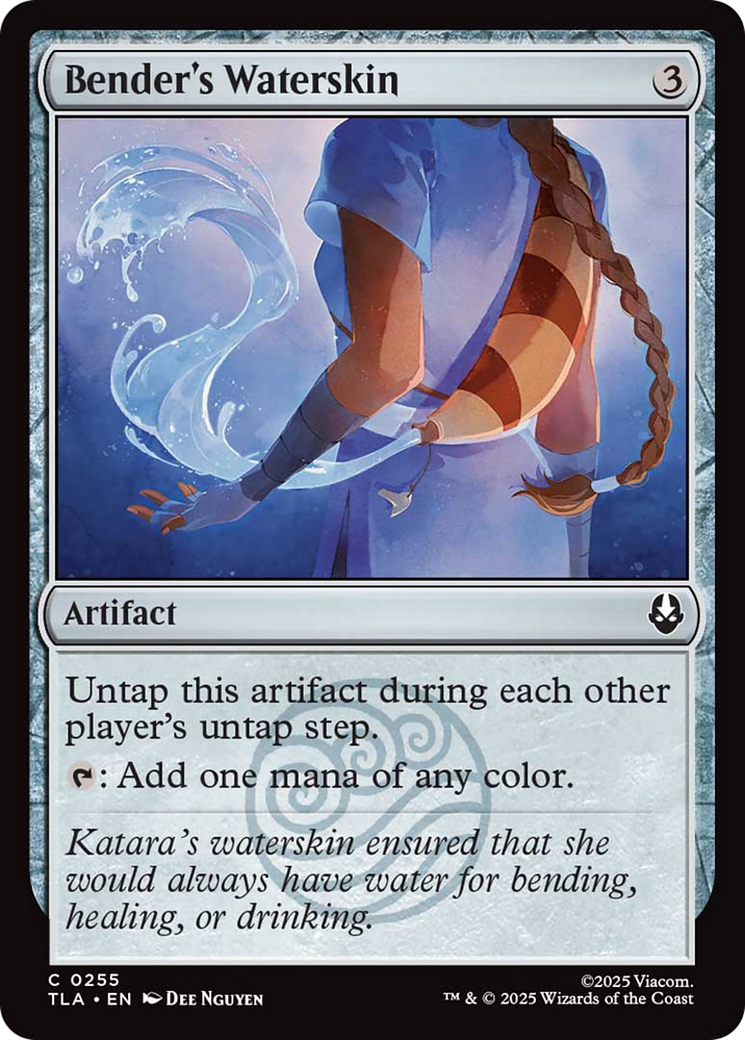
Bender’s Waterskin works well with all of the one mana interaction and even Refurbished Familiar can be cast on the same turn. Esper Ephemerate has a lot of mana so I’m a fan of two copies to mitigate flooding. It even helps with the artifact count in this version.
Suffocating Fumes gains value when you expect to face more Baleful Strix and Refurbished Familiar. I need to clear the air to attack with Refurbished Familiar and Mulldrifter.
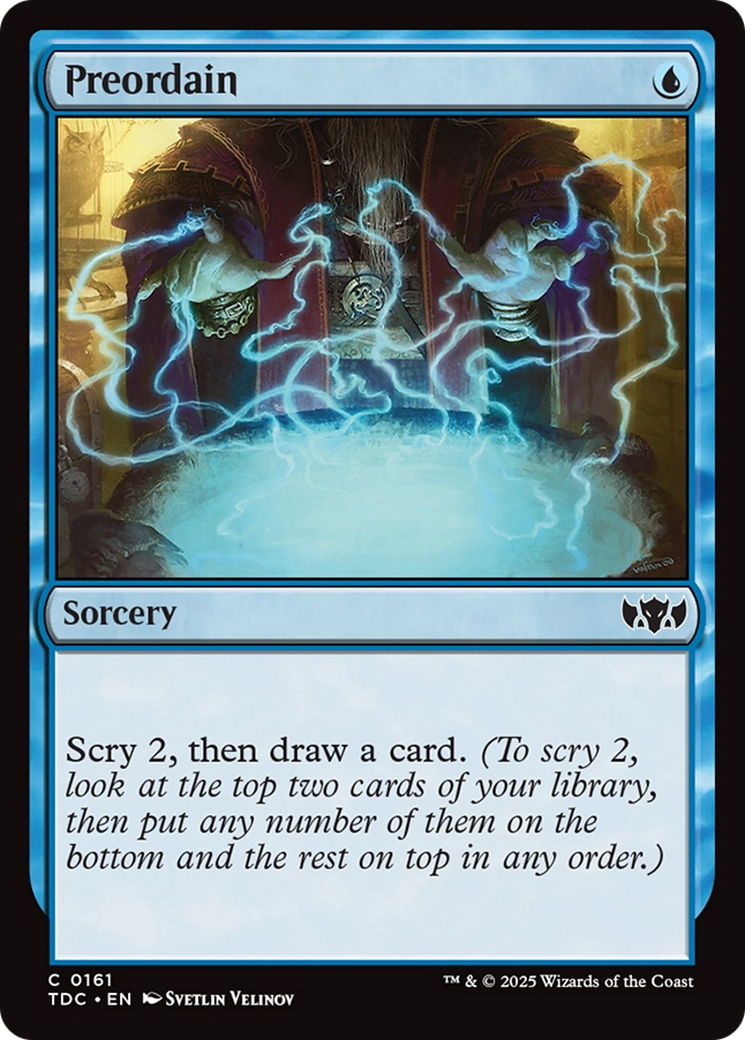
Preordain is very helpful; most artifact shells prefer Giant’s Boulder, but not in this case. Early game helps fix your mana and curve, but also digs for your high impact card advantage spells as it goes late to mitigate flooding.
The manabase is interesting as Esper Ephemerate is looking to maximise artifacts for Refurbished Familiar and Dispatch while having an adequate amount of each color.
Lorien Revealed not only provides a powerful late game card advantage engine, but can also fix mana with two Islands and two dual lands.
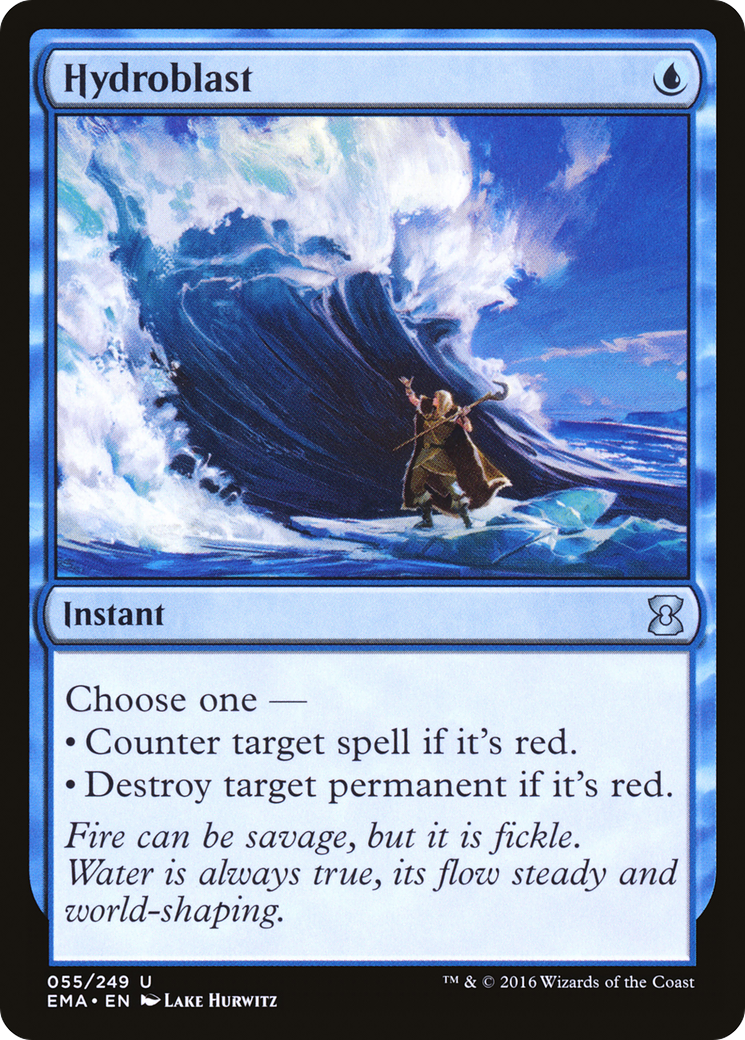
The sideboard of blue Pauper decks are pretty straightforward. Five out of fifteen slots are devoted to Hydroblast effects because Red Madness can be tricky without a powerful life gain option. Esper decks have to play cards like Union of the Third Path in Ephemerate strategies or Reckoner’s Bargain in Affinity to compete with red in the first game which isn’t ideal.
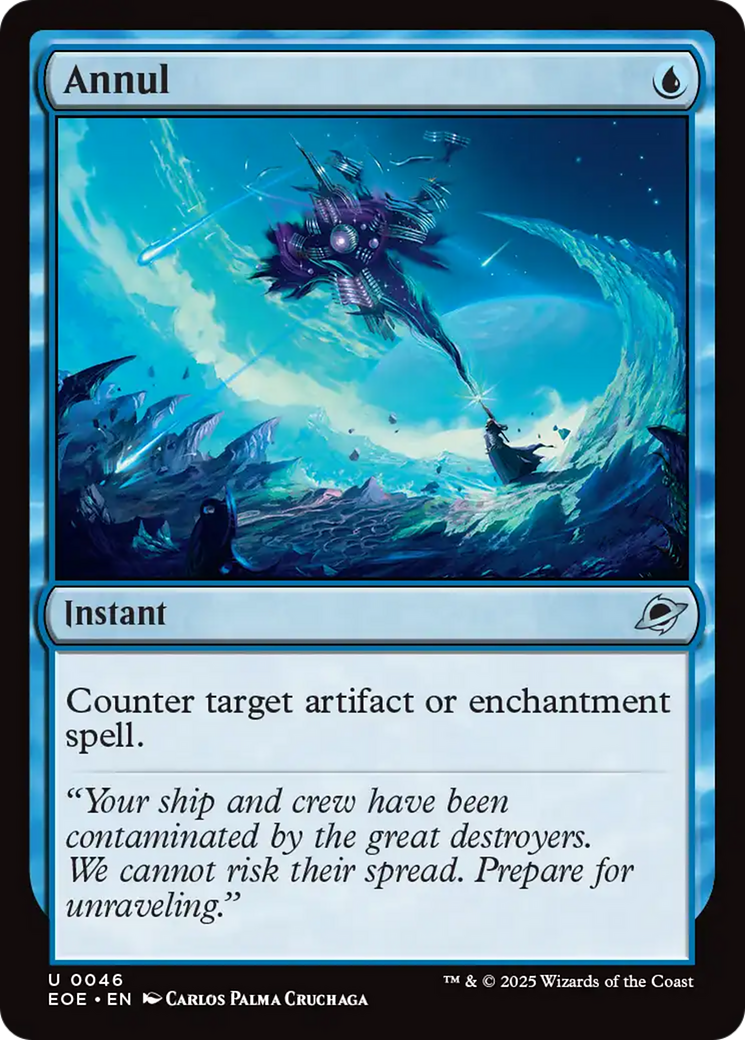
Annul, Steel Sabotage, and Dust to Dust gained plenty of value with Dispatch and Baleful Strix entering the format. In fact, my current Blue Terror list has six Hydroblast effects and five Annul effects because red and artifacts are so popular. Artifact decks not only include Affinity, but also Tron. I’m lower on Dust to Dust in Esper shells because of the color requirement when your manabase is under attack in post board games. Many artifacts also replace themselves making an efficient counter preferable to exiling.
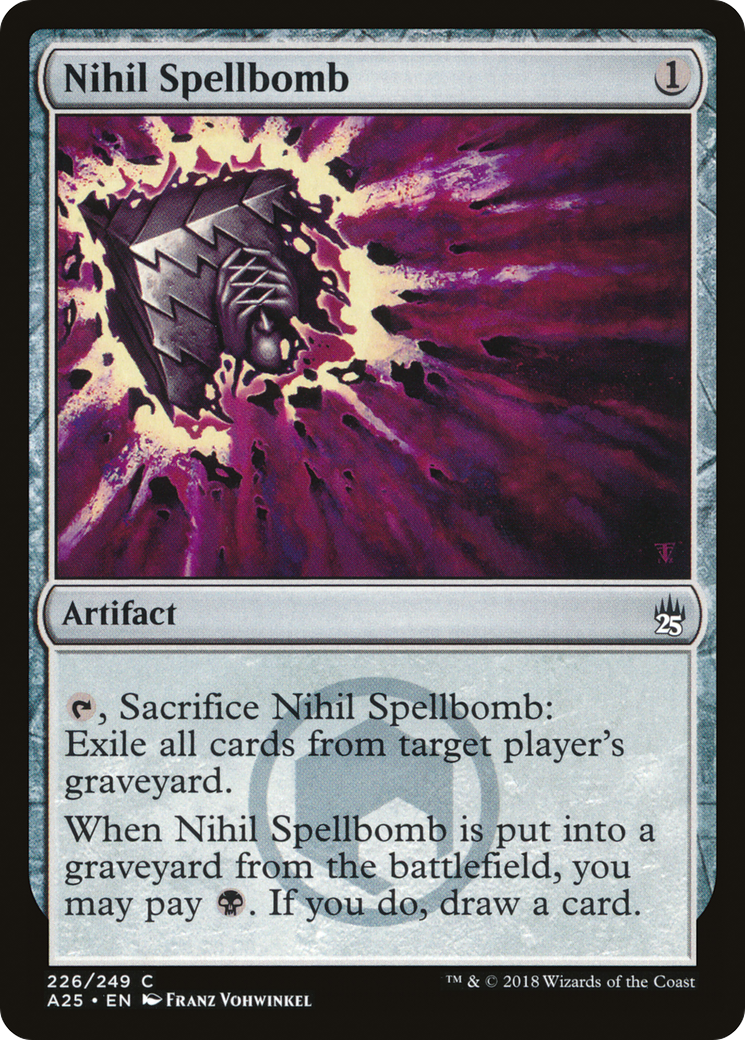
Nihil Spellbomb and Envelop help with Spy Combo decks. The core of Esper decks could use some help against Spy Combo. Dispatch is very strong against Spy, but it can force you to interact with large creatures and then backdoor into the combo. A slower shell means you need to fight through the powerful card advantage provided from Lead the Stampede and Winding Way.
Esper Ephemerate is a fun deck that gets more value than the other shells I’ve tried. If you prefer a slower game that locks out every aspect of the game then this may be worth investigating.
Photo credit: Barff’s Twitter
I love playing Dimir Faeries in paper because I’ve been slowly building a collection of cool blue and black cards for Pauper. Japanese and Ice Age are two of my favorite ways to customize.
Barff is already 5-0ing with Dimir Faeries as expected. I trust his vision of the deck that splits Augur of Bolas and Baleful Strix. The level 0 wisdom was to swap out Augur of Bolas for Baleful Strix, but it makes Brainstorm weaker and the three toughness is valuable against Red Rally.
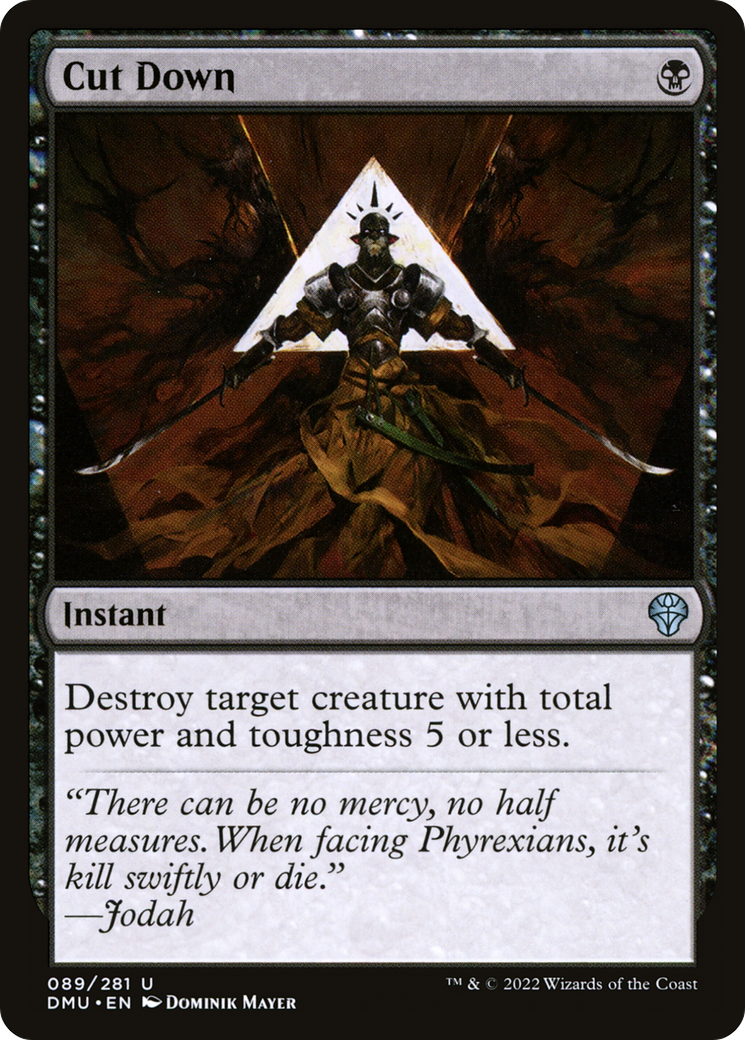
The new version of Dimir Faeries only plays three Baleful Strix and two Cut Down, but it massively improves the deck because it swaps out some of the more awkward cards. This deck is smooth like butter.
Augur will find action when it hits whereas Baleful Strix will draw a random card. I like Augur’s type of card advantage, but it feels bad to run it out blind. Fewer copies of Augur means I can cast them more purposefully.
Cut Down now gets the nod over some of the other situational removal spells like Extract a Confession and Agony Warp. Cut Down works well with Cast Down as you can cover the full spectrum of threats. Strix also blocks Guardian of the Guildpact making Warp less of a requirement.
Barff is another player that respects the red and artifact matchups with six Hydroblast effects and four Annul in the sideboard.
If you’re interested in his evolution of Dimir Faeries you can check out his twitch streams and Patreon. Playing Dimir Faeries is his day job.
Photo Credit: MTGGoldfish.com
I tried Grixis Affinity because the Galvanic Blasts and Myr Enforcers could potentially help close games quickly in unfavorable matchups.
The color requirements are less significant in Grixis because Myr Enforcer and Ichor Wellspring don’t need anything specific to cast. The Red Madness matchup felt better with Grixis compared to Esper as Myr Enforcer and Wellspring provide a more natural combo with Reckoner’s Bargain.
Affinity still needs to mulligan aggressively to ensure a quick start with the proper colors to cast spells. Myr Enforcer makes Grixis Affinity worse when mulliganing because you need more material to cast it early. Ideal decks for me are able to mulligan to a small number of cards that are able to recoup the lost cards.
The Tron matchup felt much worse with Grixis because Galvanic Blast wasn’t fast enough to race Bramble Wurm. Dispatch was much needed as four damage wasn’t enough to kill a single threat. Baleful Strix does trade with the big threats, but Affinity needs to be the aggressor.
Makeshift Munitions was the main draw to red as it provides a nice incentive to churn through the deck. When the skies are clogged with Baleful Strix I can close out a grindy game as I would expect plenty of opposing grindy Esper decks in the future.
I saw a Trinket Mage package in a Dimir Control deck to find a Viridian Longbow and shoot birds out of the sky. It’s mana intensive for an Affinity deck, but a way to deal damage to Strixes has value in this format.
In general, Grixis felt worse than Esper Affinity, but the more natural life gain is an advantage.
Photo Credit: MTGGoldfish.com
Nick Sobczak did an excellent writeup of the Esper Affinity deck he used to take down RIW’s seventh Pauper Championship Qualifier that can be found here. I think Esper Affinity is the best deck in the format and a component may be banned in October.
I wanted to try some different ideas for Esper Affinity, but Nick’s deck is clearly a very powerful base. He even called out in his article that many card choices can be viewed as a range and adjusted for the expected metagame.
Andrea Mengucci also looked at Nick’s winning list and featured it on Megu’s Workshop. Nice to see RIW getting more international recognition in the Pauper community.
RIW also streamed a recent Wednesday event and Esper Affinity was featured in three out of four rounds as it’s already dominating the local circuit. The replay can be found here.
In general, the way I would approach building Esper Affinity is to not touch many of the one-drops, but there’s room to move in the two-drop slot. The cards I would not touch are:
4 Refurbished Familiar
4 Utrom Monitor
4 Thoughtcast
4 Giant’s Boulder
4 Dispatch
4 Glint Hawk
4 Cryogen Relic
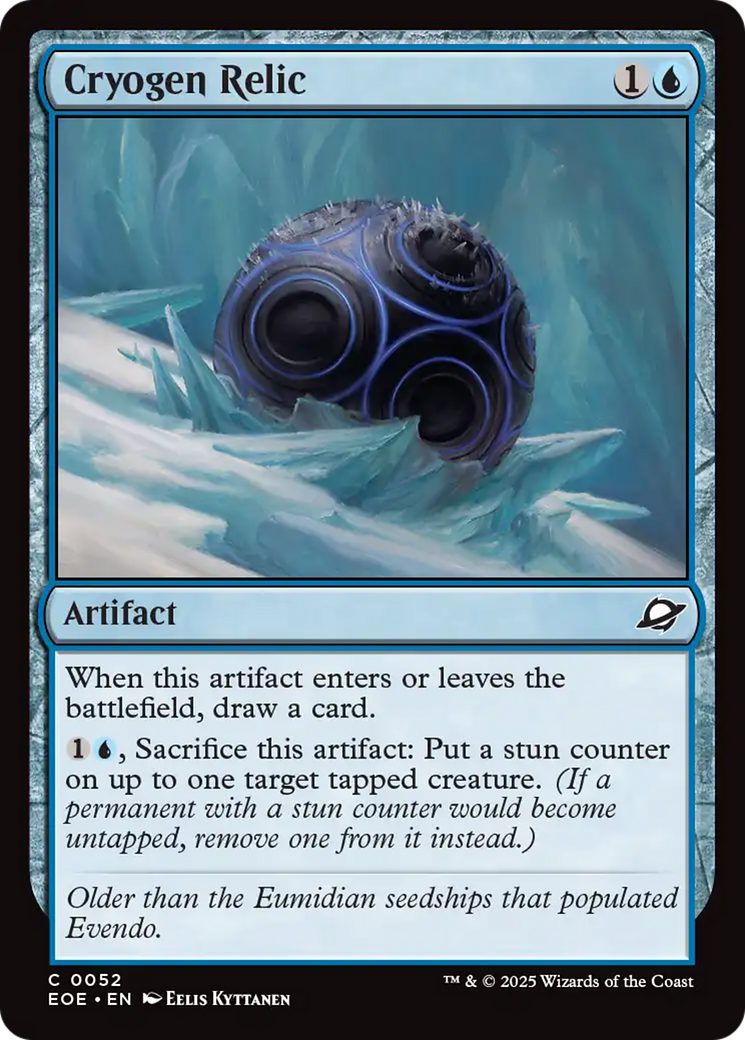
This represents most of the slots in the deck and Cryogen Relic is the only two-drop I wouldn’t play anything other than a playset because of the Glint Hawk/Kor Skyfisher synergy.
I haven’t been a fan of Reckoner’s Bargain in Esper Affinity for anything other than gaining life because sacrificing Cryogen Relic isn’t as impactful as Ichor Wellspring. The lack of Myr Enforcer means the life gained is capped at five instead of seven as well. There isn’t anything I want to actively sacrifice in Esper.
A key skill to build up with Esper Affinity is deciding when to bounce Cryogen Relic to effectively draw two cards and when to pick up Refurbished Familiar to make the opponent discard a card. There’s diminishing returns on cards in hand in this deck as Esper can end many turns discarding to hand size, but you may lose the game anyway. Restrictive card advantage, that comes in the form of reducing the options for the opponent, is preferable in this deck.
The numbers I would consider adjusting are:
4 Kor Skyfisher
3 Baleful Strix
2 Blood Fountain
1 Makeshift Munitions
1 Navigator’s Compass
2 Nihil Spellbomb
Kor Skyfisher is strong because the third point of toughness ensures you have more threats after Breath Weapon or an opposing Arms of Hadar. There’s a tradeoff between bounce enablers and permanents that generate advantages when they enter or leave the battlefield. Remember that you can also pick up a land to filter colors or cast an additional spell.
The white creatures that pick up artifacts can get stronger after sideboarding when you can add cheap interaction for the matchup that can be replayed such as Grim Bauble and Navigator’s Compass. The white creatures also dodge Dust to Dust making your clock more resilient.
Baleful Strix is a fine card to bounce to gain additional advantage, but can’t be cast off Ancient Den. I’ve been impressed with Strix so far as Esper can take some time to get off the ground and it’s an excellent defender. I’m leaning toward playing three copies, but could go to four in certain metagames.
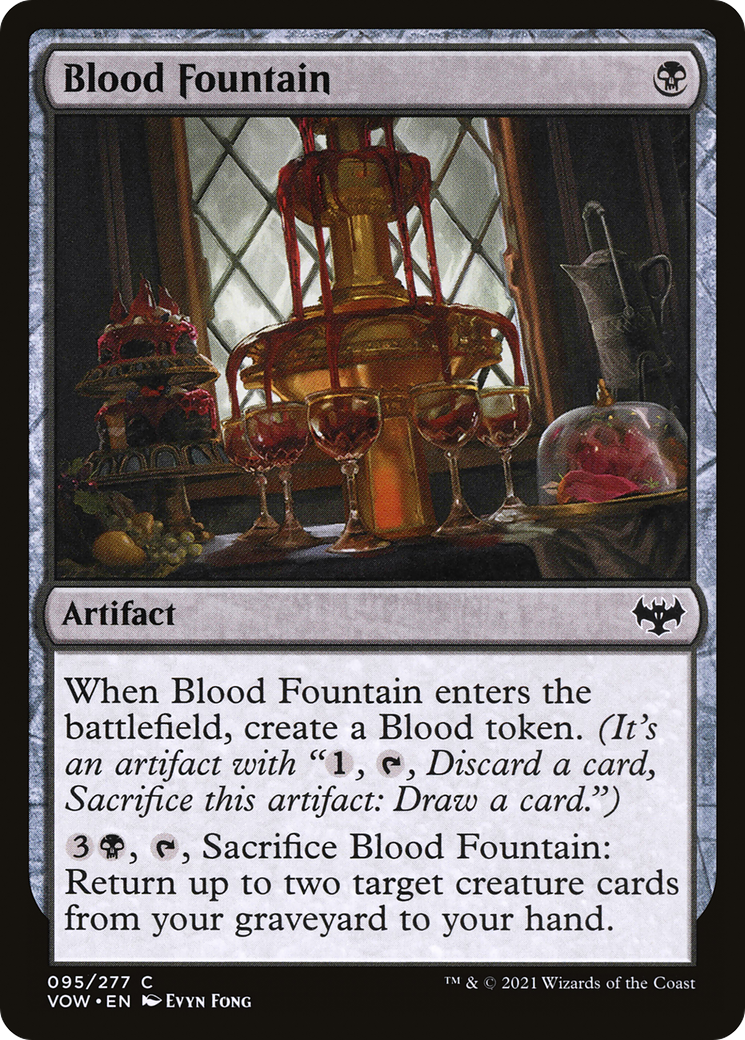
Blood Fountain helps build up Affinity in the early turns and is a payoff for churning through the deck later. Generating a blood token isn’t an exciting payoff for Glint Hawk and Kor Skyfisher, but it does work well with Baleful Strix. Beware that Dispatch exiles making the recursion potentially less effective.
Navigator’s Compass is the fifth prism effect that is nasty against red decks. It’s also an extra red source to cast Makeshift Munitions. I like the repeatable life gain with the Compass compared to Reckoner’s Bargain as it acts as glue to enable the white creatures in the early turns. I wouldn’t get greedy with a red splash, but I do like the Makeshift Munitions as it’s not designed to be cast early. It’s a package deal with the five prism effects and can also help support twelve monochromatic lands.
I’m trying out an Island over the fourth Ancient Den to make the manabase more resilient to Dust to Dust and Vandalblast. It can also be found from opposing Avenging Hunter and Cleansing Wildfire. I don’t want white mana on turn one because Glint Hawk, Kor Skyfisher, and Dispatch are cast later in the game. The Goldmire Bridge works best with Island and Seat of Synod to cast Baleful Strix. I want untapped blue mana the most often.
The main idea in Esper Affinity’s sideboard is to play nimble and targeted interaction because the core of the deck is generically powerful meaning I don’t want to transform. It can be costly to hold up multiple lands to potentially counter a spell since the deck is great at generating card advantage at sorcery speed.
The sideboard Compass not only helps against red decks for life gain, but they will be ready with artifact hate to constrict access to colored mana. Red Madness attacks your manabase with Smash to Smithereens or Cast into the Fire.
Annul is for the mirror, Tron, and Bogles. I can see Bogles being a tough matchup if this slot was Steel Sabotage. Bouncing my own artifact for value won’t come up enough to warrant the swap. There are fewer Cleansing Wildfires to blow out with Sabotage, too.
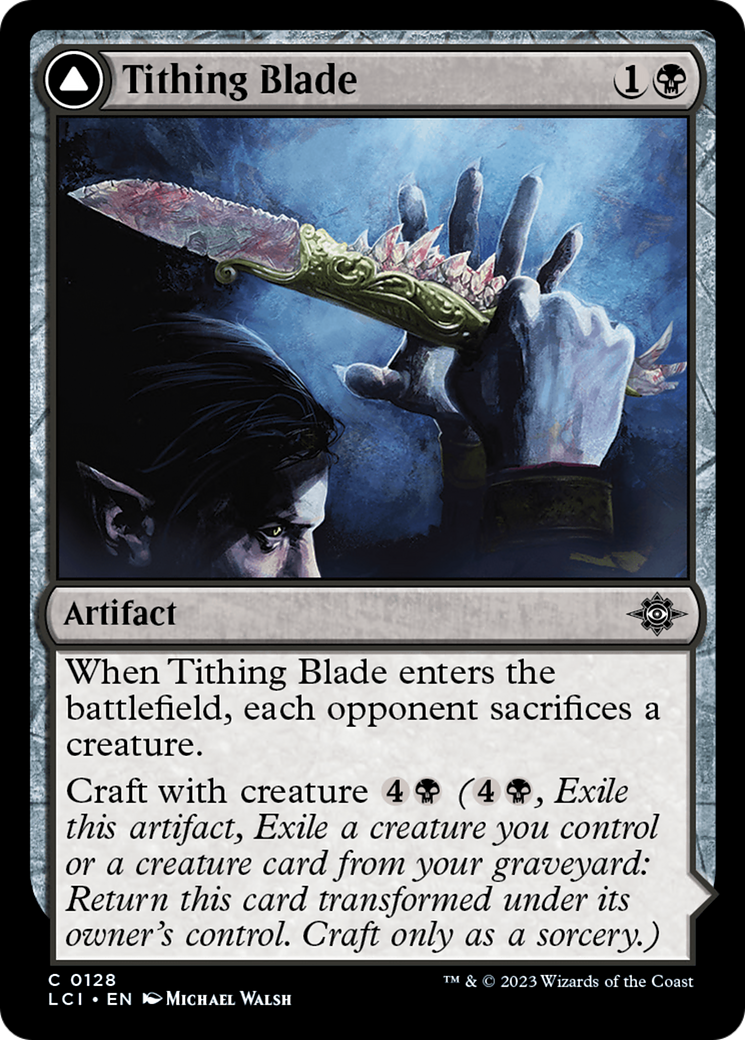
The single Tithing Blade complements the Baleful Strix in the maindeck. Two mana is a big investment, but does help against Blue Terror, Bogles, and certain Tron variants.
Esper Affinity is not only very fun to play, but extremely powerful. Baleful Strix has a home in many shells; it’s not broken, but certainly an upgrade. It’s an exciting time to be playing Pauper and RIW’s final Championship Qualifier will be taking place on October 24. There’s still time to crack the top 16 on the leaderboard with a deep run to get to the Championship in December.